Fentanyl Decontamination
Fentanyl decontamination of surfaces, vehicles and rooms after exposure.
See fentanyl decontaminationGet meth residue testing, decontamination, material removal and clearance steps for a home, rental, business or vehicle in Brookside Estates. Keep people out of affected areas until the property has been assessed.
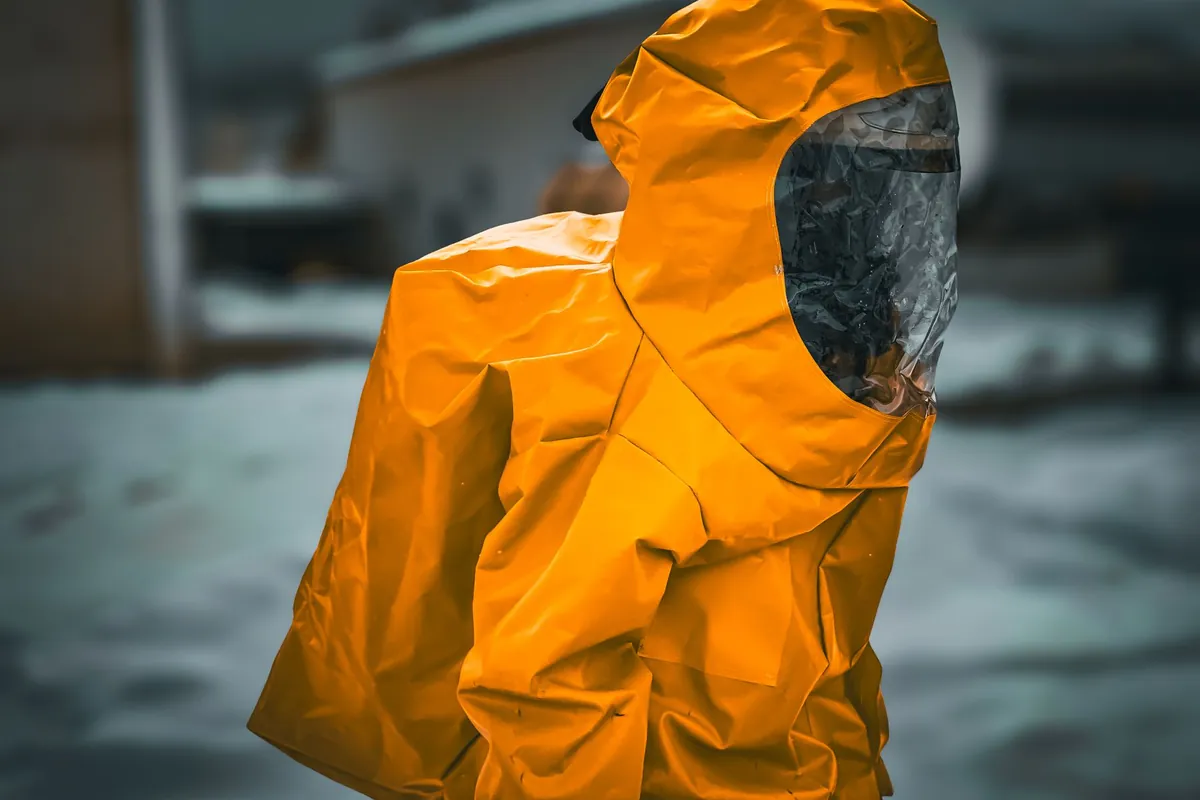
Meth lab cleanup tests for contamination and removes or cleans it after methamphetamine residue or chemicals from drug production affect a residence, rental property, workplace or vehicle.
Visible dirt is not required for meth residue to be present. Smoke from meth may deposit it across ceilings, appliances, walls, personal belongings, cabinets and floors. Where production occurred, fuels, acids, salts, solvents and unidentified mixtures may also remain. Before containers are moved or routine cleaning begins, those hazardous substances require careful assessment.
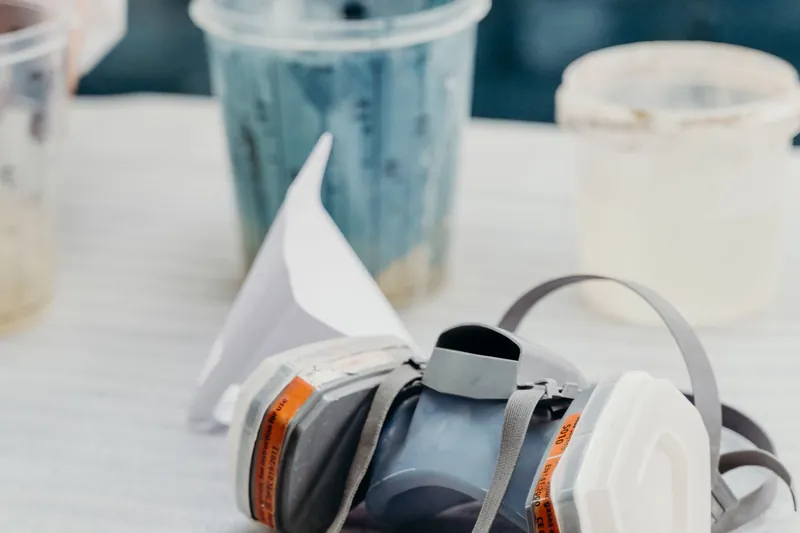
Testing findings and the requirements that apply at the property's location should guide biohazard remediation. Technicians establish isolation around affected spaces and wear protective equipment. They discard items that are not cleanable, clean the surfaces that remain and treat the air system if necessary. Sampling after remediation determines if tested spaces satisfy the applicable clearance level.
A written plan issued before remediation starts should list removal decisions, the testing basis, clearance steps, affected areas and cleaning methods.
You learn which belongings may be cleaned or discarded after their material and condition are assessed.
Containment zones paired with clean routes reduce the spread of dust, equipment and contaminated materials into other parts of your building.
Your cleaning service should organize images, scope records, test reports and disposal documents, helping you move forward once clearance is complete.
Meth decontamination cleaning services are needed when testing or reliable property history points to residue from use or production. Every situation starts with the property history and testing results. Common situations include:
A property used to produce meth may retain chemical substances, staining and residue across several rooms after its release by law enforcement.
Suspected meth use requires a controlled evaluation of the room or unit, including surrounding areas when supported by the evidence.
Workers find questionable containers, chemical discoloration or an earlier notice and pause the job before dust reaches unaffected areas.
A landlord or property manager learns of suspected drug activity after a tenant leaves and needs testing before repairs or a new tenancy.
Your first job is to prevent exposure and keep residue from moving. Take these steps before professional cleanup begins:
Call (888) 440-9227Published cost data from PushLeads places meth lab cleanup across a broad $5,000 to $120,000 span, with a typical average of $15,000 to $20,000. The range is wide because repeated smoking in one area is different from chemical production across a full property. Testing, material removal, air-system work and local clearance requirements all change the final scope.
The figures shown are national ranges from published cost guides and are not based on an on-site visit. An on-site assessment determines your property's price, which is explained to you before the cleanup starts.
Ask about cost: (888) 440-9227Coverage for meth contamination depends on both the cause and insurance policy, which may exclude pollution, vacancy, criminal acts or contamination. Report what was found and ask about available insurance assistance. Before approving work that is not an emergency, request the coverage decision in written form.
Keep the police release, laboratory results, photographs, the remediation scope, disposal records, invoices and clearance report together.
Law enforcement may secure evidence and then release the scene, while owners generally arrange the later environmental testing and remediation.
Property owners often arrange assessment and cleanup for a rental. Seeking reimbursement from the renter is a different matter from restoring safe property conditions.
Describe the discovery of residue when contacting the insurance company. Check whether your policy covers sampling, cleanup, construction material removal and loss of use.
A measured sequence is used for the meth lab cleaning process. Each part must align with the property's assessment, its plan for testing and the local clearance rules that apply.
Ask how cleanup technicians will assess the property history, police release, visible hazards, room layout, ventilation and possible routes of contamination before work starts.
Tests taken from surfaces can define affected areas and create a starting measurement. Local requirements should determine both sampling technique and placement.
The scope document covers final clearance procedures along with plans for contents, surface cleaning, material removal and containment.
Barriers divide the cleanup zone from unaffected rooms. Protective gear for cleanup technicians must match the dust, chemical risks and residue discovered at the property.
Items that cannot meet the necessary standard after cleaning, such as carpet, underlay, insulation, upholstered furnishings and harmed building materials, may be taken out for waste disposal.
The surfaces left in place, including fixtures, cabinets, flooring, walls and ceilings, receive appropriate cleaning in a planned order.
The air system and movable belongings are evaluated separately. Each item's condition and sampling findings guide the choice to clean, isolate or discard it.
After cleaning is complete and the area is ready for sampling, clearance tests determine whether further work is needed before reoccupation.
You can call anytime. You speak with a meth lab cleanup specialist who outlines the process and schedules a start time with you.
Serious health risks may remain at a former meth property, even without a strong smell. Exposure can occur from residual production chemicals, skin contact or contaminated dust.
Unknown liquids, powders and unmarked vessels can react, burn or cause corrosion. Never open, smell, combine or throw them into household trash.
Residue can settle on counters, walls, floors, toys and other frequently touched items. A normal-looking surface may not meet the required level for clearance.
If carpet and wallboard are removed before tests, contaminated particles can reach your clothing, equipment and clean areas.
Can you clean it yourself? Do not respond to possible meth residue as you would to a routine household spill. Household cleaners cannot determine the reach of contamination or confirm that surfaces satisfy the area's clearance threshold. Testing and a meth-specific remediation plan are the safer starting points.
Only materials approved for cleaning under the remediation plan are retained, and the area after remediation must be able to complete the required clearance process.
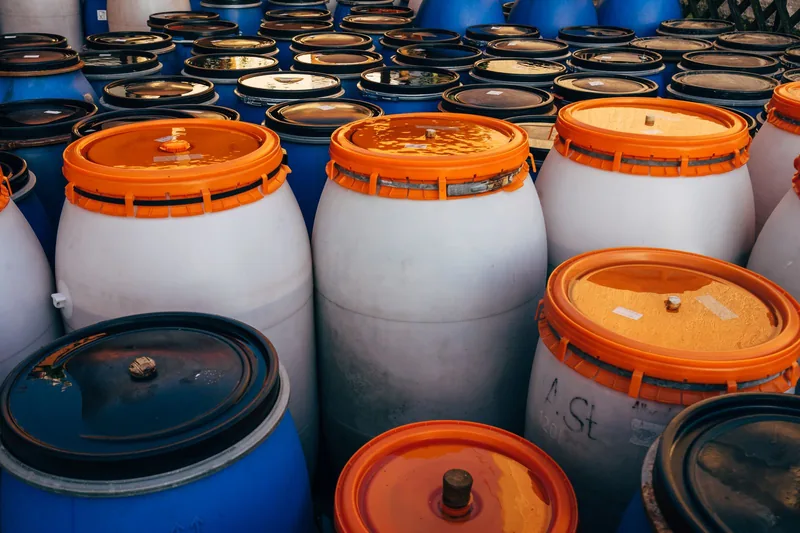
Meth lab cleanup can take several workdays for a limited area and several weeks for a larger production site. Testing turnaround, material removal, repeated cleaning and clearance sampling control the schedule more than room count alone.
| Scene | Typical time on site |
|---|---|
| A small area with limited residue | Often multiple working days and the laboratory turnaround period |
| Several rooms or HVAC involvement | Often one to several weeks |
| Chemical damage at a former meth production site | May take several weeks and more than one clearance round |
You cannot rely on odor to test for meth. Surface contamination may exist when almost no smell is noticeable. Although a sharp chemical odor is a warning to leave, do not go inside to investigate it, and never try masking it with fragrance.
Odor and air quality treatment starts by controlling the contamination source. Before cleaning the air can help, the work must address porous materials with contamination, chemical products from production and dust that has settled. Connected rooms, HVAC equipment, filters and ducts may all be assessed. Required samples should determine clearance, not the presence or absence of a clean smell.
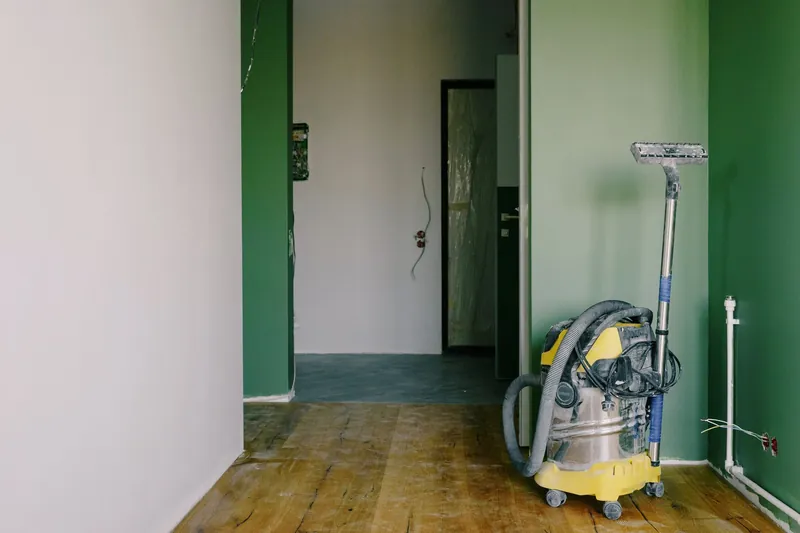
The full meth lab cleanup guide covers what is cleaned or removed, odor and air quality work, and the rules that apply in Indiana and Allen County.
Read the full meth lab cleanup guideLocal population patterns, housing and site access may affect how containment and cleanup are planned.
Knowing that Dupont Hospital is about 2.3 miles away helps households plan where to seek care before arranging scene cleanup.
The location sits near River Bend Woods, Eldorado Hills, and Concord Hill, making local landmarks helpful when a property entrance is hard to find.
Properties within this Fort Wayne neighborhood may share alleys, entries, or parking, so equipment movement should be planned around nearby residents.
Clear location details prevent confusion between neighboring communities when specialized cleaning is needed for a drug-related property concern.
During your call, ask whether cleanup is available in surrounding communities and ZIP codes.
Fentanyl decontamination of surfaces, vehicles and rooms after exposure.
See fentanyl decontamination
Needles, drug residue and pipes are removed from properties and rental units.
See drug paraphernalia cleanup
Cleanup of a grow house addresses mold, chemicals and harm caused by indoor cultivation.
See marijuana grow house cleanup
Hazmat cleanup uses the appropriate protective equipment for hazardous materials.
See hazmat cleanup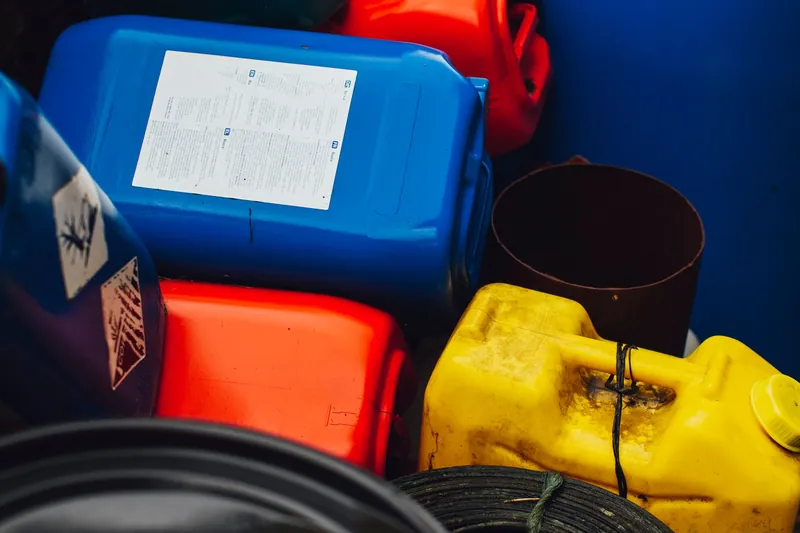
Waste cleanup removes toxic and chemical material for safe disposal.
See chemical and toxic waste cleanup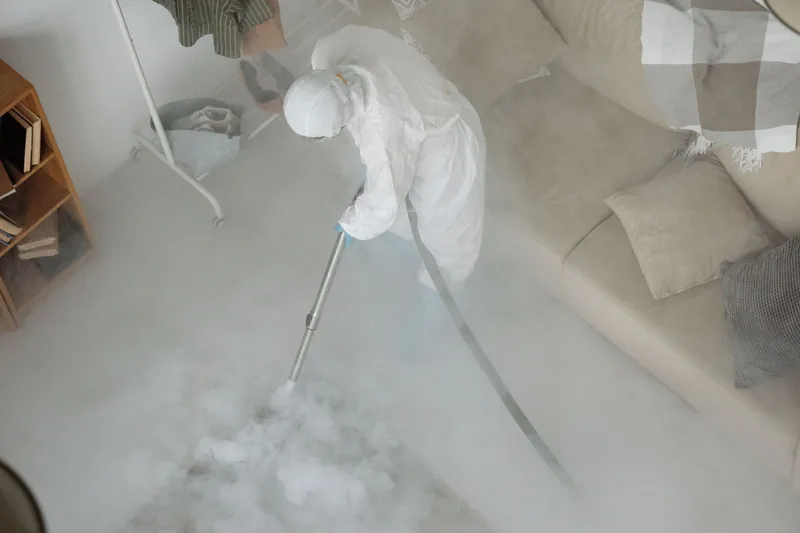
Full decontamination of rooms, surfaces and air after infectious or hazardous exposure.
See biohazard decontamination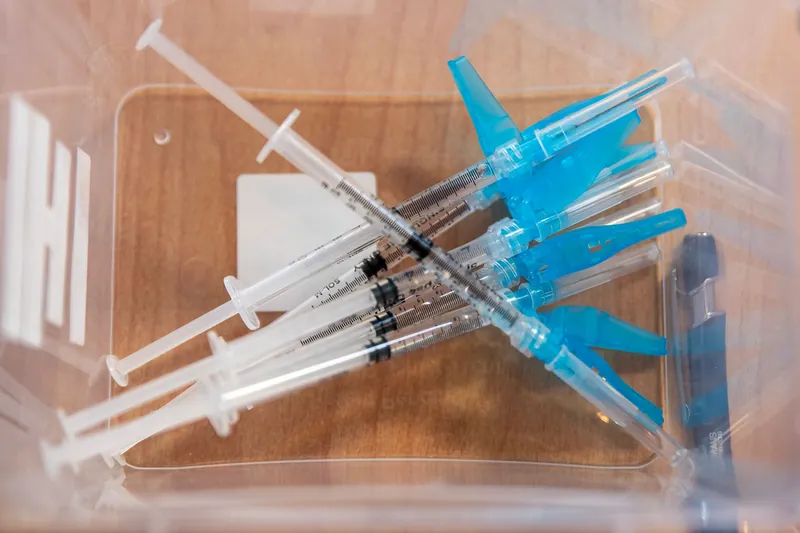
Needle and sharps cleanup for yards, rentals, parks and encampments.
See needle and sharps cleanup
Biohazard cleanup addresses Airbnb accommodations, hotels and other rental units.
See hotel, airbnb and rental biohazard cleanupDrug-making chemicals can sometimes create a harsh smell like solvent, although scent by itself cannot establish residue or clearance. A property can have contamination without a noticeable smell. When powerful chemical smells are present, exit without contacting containers and rely on surface sampling with the relevant standard.
Never treat sight and odor alone as proof that the space can be used. People should return only according to applicable local requirements and documented guidance from the relevant public or environmental authority. Final samples objectively indicate if the property requires another cleaning cycle.
Using bleach may disinfect a surface without measuring meth residue for clearance. You cannot measure leftover contamination by applying bleach, and unknown lab substances can react dangerously with mixed cleaning products. Choose wall cleaning procedures according to the documented cleanup scope, contamination level, surface finish and local rules.
Each item should be evaluated by material, condition, value and contamination level. Cleaning may be possible for certain solid, washable items. Carpet, upholstery, books and other porous items can be difficult to remediate. Your remediation scope should identify belongings for separation, cleaning, sampling or disposal.
Meth lab cleanup is a controlled remediation process for a property affected by methamphetamine residue or drug-production chemicals. Cleanup involves assessment, testing, controlled work zones, removal where cleaning is not possible, surface decontamination and final clearance samples under relevant rules.
DIY cleaning can spread contaminated dust and makes it hard to document the result. Household products do not measure residue or confirm clearance. Your first steps are expert sampling and confirmation of the area's cleanup standard. A written remediation plan can then identify which surfaces may be cleaned and which materials should be removed.
Crews carry out respectful, discreet meth lab cleanup, arrive in unmarked vehicles and take calls 24 hours a day.